
Contents
- 🌱 Introduction to Aerofarms
- 📈 History of Vertical Farming
- 🌿 How Aerofarms Works
- 📊 Economic Benefits of Aerofarms
- 🌸 Environmental Impact of Aerofarms
- 🌻 Challenges Facing Aerofarms
- 🤝 Partnerships and Collaborations
- 🌟 Future of Aerofarms
- 📊 Market Analysis of Aerofarms
- 🌎 Global Reach of Aerofarms
- 📚 Conclusion and Recommendations
- Frequently Asked Questions
- Related Topics
Overview
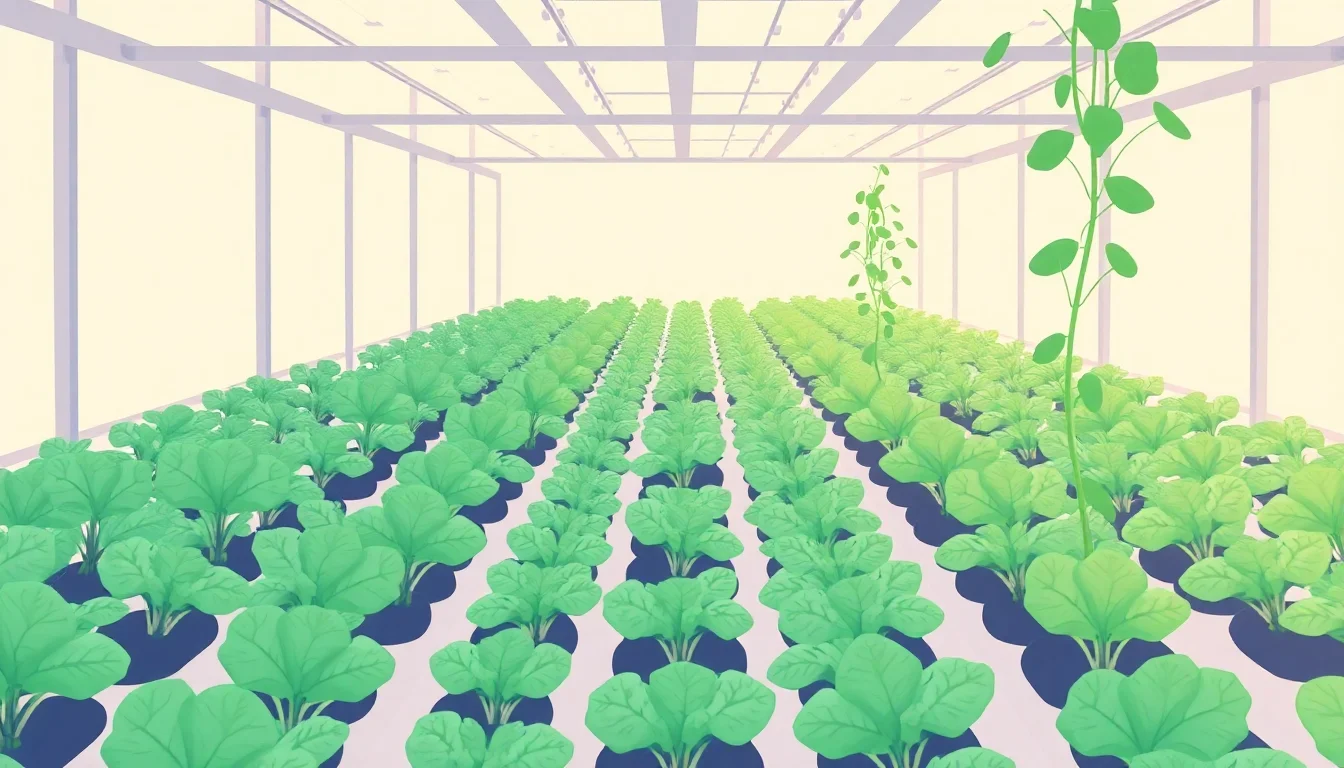
Aerofarms, founded in 2011 by Marc Oshima and David Rosenberg, is a leading vertical farming company that uses aeroponics to grow a wide variety of crops. With a vibe score of 8, Aerofarms has gained significant attention for its innovative approach to sustainable farming. The company's use of LED lighting, climate control, and precision nutrient delivery has resulted in crop yields that are 30 times higher than traditional farming methods. However, critics argue that the high energy costs and limited crop selection may hinder the company's ability to scale. As the global population is projected to reach 9.7 billion by 2050, Aerofarms' technology may play a crucial role in addressing food security concerns. With a controversy spectrum of 6, Aerofarms is at the forefront of the debate on the future of agriculture, with some arguing that vertical farming is the key to a sustainable food system, while others claim that it is a luxury only affordable by the wealthy.
🌱 Introduction to Aerofarms
Aerofarms is a leading company in the field of vertical farming, which involves growing crops in vertically stacked layers. Vertical farming is a method of agriculture that uses hydroponic systems to grow crops, and Aerofarms is at the forefront of this technology. With its headquarters in New Jersey, Aerofarms has been able to provide fresh produce to local communities while minimizing its environmental impact. Aerofarms has been able to achieve this through its innovative use of LED lighting and climate control systems. As the world's population continues to grow, companies like Aerofarms are playing a crucial role in ensuring that we have a sustainable food system.
📈 History of Vertical Farming
The concept of vertical farming has been around for decades, but it wasn't until the early 2000s that the first commercial vertical farms were established. The history of vertical farming is a fascinating story that involves the contributions of many individuals and companies. One of the key figures in the development of vertical farming is Dickson Despommier, a professor at Columbia University who has been a pioneer in the field. Despommier has written extensively on the topic and has been a vocal advocate for the benefits of vertical farming. As the technology continues to evolve, we can expect to see even more innovative solutions to the challenges facing traditional agriculture.
🌿 How Aerofarms Works
Aerofarms uses a unique system to grow its crops, which involves a combination of hydroponics and aeroponics. Aeroponics is a method of growing plants in the air, without the use of soil or hydroponic nutrients. This approach allows Aerofarms to grow a wide variety of crops, including leafy greens, herbs, and microgreens. The company's system is also highly efficient, using recirculating water and minimizing waste. As a result, Aerofarms is able to produce high-quality crops while minimizing its environmental impact. Sustainable agriculture is a key aspect of Aerofarms' mission, and the company is committed to reducing its carbon footprint.
📊 Economic Benefits of Aerofarms
One of the key benefits of Aerofarms is its economic viability. The economics of vertical farming are complex, but Aerofarms has been able to demonstrate that the approach can be profitable. By minimizing waste and reducing labor costs, Aerofarms is able to produce high-quality crops at a lower cost than traditional farming methods. Cost-benefit analysis has shown that Aerofarms' approach can be highly effective, especially in urban areas where land is scarce. As the demand for fresh produce continues to grow, companies like Aerofarms are well-positioned to meet that demand. Urban agriculture is a growing trend, and Aerofarms is at the forefront of this movement.
🌸 Environmental Impact of Aerofarms
Aerofarms has a significant impact on the environment, and the company is committed to reducing its environmental impact. Sustainable practices are a key aspect of Aerofarms' mission, and the company has implemented a number of initiatives to reduce its carbon footprint. By using renewable energy and minimizing waste, Aerofarms is able to produce high-quality crops while minimizing its impact on the environment. Climate change is a major challenge facing the world, and companies like Aerofarms are playing a crucial role in reducing greenhouse gas emissions. Greenhouse gas emissions are a major contributor to climate change, and Aerofarms is committed to reducing its emissions.
🌻 Challenges Facing Aerofarms
Despite the many benefits of Aerofarms, there are also challenges facing the company. Challenges facing Aerofarms include the high upfront costs of establishing a vertical farm, as well as the need for specialized equipment and expertise. Vertical farming challenges are numerous, but Aerofarms has been able to overcome many of these challenges through its innovative approach. Innovation is a key aspect of Aerofarms' mission, and the company is committed to continuing to develop new and innovative solutions to the challenges facing vertical farming. As the technology continues to evolve, we can expect to see even more efficient and effective systems for growing crops.
🤝 Partnerships and Collaborations
Aerofarms has partnered with a number of companies and organizations to advance the field of vertical farming. Partnerships are a key aspect of Aerofarms' mission, and the company has worked with a number of leading companies and research institutions. Research institutions such as Columbia University and MIT have played a crucial role in the development of vertical farming technology. Collaboration is essential to the advancement of this field, and Aerofarms is committed to working with other companies and organizations to advance the field of vertical farming.
🌟 Future of Aerofarms
The future of Aerofarms is bright, with the company continuing to expand its operations and develop new technologies. The future of Aerofarms is closely tied to the future of vertical farming, and the company is well-positioned to play a leading role in this field. The future of vertical farming is exciting, with the potential for this technology to revolutionize the way we grow crops. As the world's population continues to grow, companies like Aerofarms will play a crucial role in ensuring that we have a sustainable food system. Sustainable food system is a key aspect of Aerofarms' mission, and the company is committed to continuing to develop innovative solutions to the challenges facing traditional agriculture.
📊 Market Analysis of Aerofarms
The market for Aerofarms is significant, with the company facing increasing demand for its products. Market analysis has shown that the demand for fresh produce is growing, and Aerofarms is well-positioned to meet that demand. Demand for fresh produce is driven by a number of factors, including the growing awareness of the importance of healthy eating and the increasing popularity of locally grown produce. As the demand for fresh produce continues to grow, companies like Aerofarms will play a crucial role in meeting that demand. Meeting demand is a key aspect of Aerofarms' mission, and the company is committed to continuing to develop innovative solutions to the challenges facing traditional agriculture.
🌎 Global Reach of Aerofarms
Aerofarms has a global reach, with the company's products being sold in a number of countries around the world. Global reach is a key aspect of Aerofarms' mission, and the company is committed to continuing to expand its operations into new markets. Expanding into new markets is a key aspect of Aerofarms' strategy, and the company has been able to establish a strong presence in a number of countries. International markets are a key aspect of Aerofarms' business, and the company is committed to continuing to develop innovative solutions to the challenges facing traditional agriculture.
📚 Conclusion and Recommendations
In conclusion, Aerofarms is a leading company in the field of vertical farming, and the company is playing a crucial role in advancing this technology. Aerofarms conclusion is that the company is well-positioned to continue to grow and expand its operations, and the company's commitment to sustainable agriculture is a key aspect of its mission. Sustainable agriculture practices are essential to the future of our planet, and companies like Aerofarms are leading the way in this field. As the world's population continues to grow, companies like Aerofarms will play a crucial role in ensuring that we have a sustainable food system.
Key Facts
- Year
- 2011
- Origin
- New Jersey, USA
- Category
- Agriculture
- Type
- Company
Frequently Asked Questions
What is Aerofarms?
Aerofarms is a leading company in the field of vertical farming, which involves growing crops in vertically stacked layers. The company uses a unique system that combines hydroponics and aeroponics to grow a wide variety of crops, including leafy greens, herbs, and microgreens. Aerofarms is committed to sustainable agriculture and has implemented a number of initiatives to reduce its environmental impact. As the world's population continues to grow, companies like Aerofarms are playing a crucial role in ensuring that we have a sustainable food system. Sustainable food system is a key aspect of Aerofarms' mission.
How does Aerofarms work?
Aerofarms uses a unique system to grow its crops, which involves a combination of hydroponics and aeroponics. This approach allows Aerofarms to grow a wide variety of crops, including leafy greens, herbs, and microgreens. The company's system is also highly efficient, using recirculating water and minimizing waste. As a result, Aerofarms is able to produce high-quality crops while minimizing its environmental impact. Sustainable agriculture is a key aspect of Aerofarms' mission, and the company is committed to continuing to develop innovative solutions to the challenges facing traditional agriculture.
What are the benefits of Aerofarms?
The benefits of Aerofarms are numerous, and include the company's commitment to sustainable agriculture, its ability to produce high-quality crops while minimizing its environmental impact, and its role in advancing the field of vertical farming. Vertical farming is a method of agriculture that uses hydroponic systems to grow crops, and Aerofarms is at the forefront of this technology. As the world's population continues to grow, companies like Aerofarms will play a crucial role in ensuring that we have a sustainable food system. Sustainable food system is a key aspect of Aerofarms' mission.
What are the challenges facing Aerofarms?
The challenges facing Aerofarms are numerous, and include the high upfront costs of establishing a vertical farm, as well as the need for specialized equipment and expertise. Vertical farming challenges are numerous, but Aerofarms has been able to overcome many of these challenges through its innovative approach. Innovation is a key aspect of Aerofarms' mission, and the company is committed to continuing to develop new and innovative solutions to the challenges facing vertical farming. As the technology continues to evolve, we can expect to see even more efficient and effective systems for growing crops.
What is the future of Aerofarms?
The future of Aerofarms is bright, with the company continuing to expand its operations and develop new technologies. The future of Aerofarms is closely tied to the future of vertical farming, and the company is well-positioned to play a leading role in this field. The future of vertical farming is exciting, with the potential for this technology to revolutionize the way we grow crops. As the world's population continues to grow, companies like Aerofarms will play a crucial role in ensuring that we have a sustainable food system. Sustainable food system is a key aspect of Aerofarms' mission.
How does Aerofarms contribute to sustainable agriculture?
Aerofarms contributes to sustainable agriculture through its commitment to minimizing its environmental impact and promoting sustainable practices throughout its operations. Sustainable agriculture is a key aspect of Aerofarms' mission, and the company has implemented a number of initiatives to reduce its carbon footprint. By using renewable energy and minimizing waste, Aerofarms is able to produce high-quality crops while minimizing its impact on the environment. Climate change is a major challenge facing the world, and companies like Aerofarms are playing a crucial role in reducing greenhouse gas emissions.
What is the market analysis of Aerofarms?
The market analysis of Aerofarms shows that the company is well-positioned to meet the growing demand for fresh produce. Market analysis has shown that the demand for fresh produce is growing, and Aerofarms is well-positioned to meet that demand. Demand for fresh produce is driven by a number of factors, including the growing awareness of the importance of healthy eating and the increasing popularity of locally grown produce. As the demand for fresh produce continues to grow, companies like Aerofarms will play a crucial role in meeting that demand.