
Summary
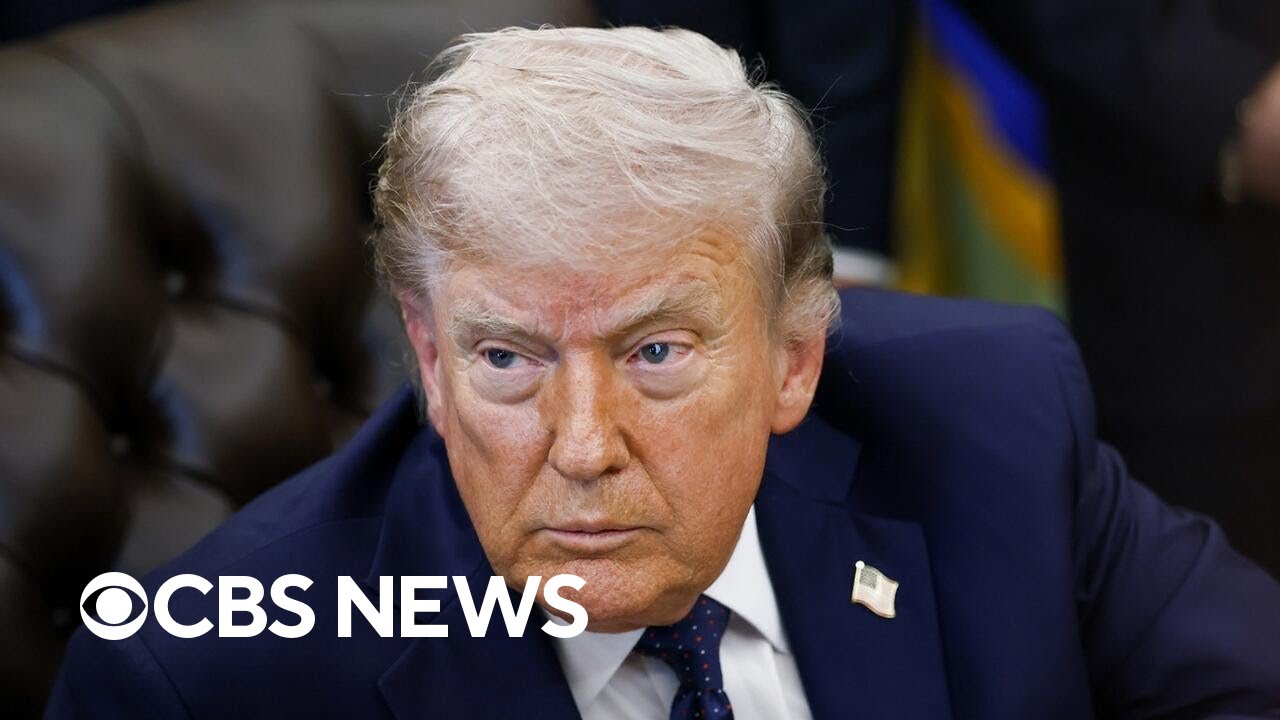
The **United States** and **Iran** are set to continue peace talks in **Pakistan** on Monday, as announced by **President Donald Trump**. The negotiations aim to address long-standing issues between the two nations, including **nuclear proliferation** and **regional security**. Despite the talks, tensions remain high, with **Iran** recently criticizing the **US** for its **Middle East** policies. The **Pakistan** government has offered to facilitate the dialogue, hoping to reduce tensions in the region. The talks will be closely watched by the international community, including **China** and **Russia**, which have significant interests in the **Middle East**. For more information on the **US-Iran relations**, see [[us-iran-relations|US-Iran Relations]]. The **nuclear deal** is a key aspect of these relations, as discussed in [[iran-nuclear-deal|Iran Nuclear Deal]].
Key Takeaways
- The US and Iran will continue peace talks in Pakistan on Monday
- The talks will be facilitated by the Pakistan government
- The US and Iran have significant differences to overcome
- The talks have significant implications for regional security and global stability
- Citizens can support the talks by staying informed and encouraging their leaders to support a peaceful resolution
Balanced Perspective
The **US-Iran talks** in **Pakistan** are a complex and challenging process, with many issues to be addressed. While the continuation of the talks is a positive development, it is unclear what progress will be made, and the **US** and **Iran** have significant differences to overcome. The **Pakistan** government's role in facilitating the dialogue is important, but the **US** and **Iran** must ultimately find a way to resolve their differences through direct negotiations. For more information on **diplomacy**, see [[diplomacy|Diplomacy]]. The **US** and **Iran** have a long history of tensions, as discussed in [[us-iran-tensions|US-Iran Tensions]].
Optimistic View
The continuation of **US-Iran talks** in **Pakistan** is a positive development, as it shows that both sides are committed to finding a peaceful resolution to their differences. The **Pakistan** government's facilitation of the dialogue is a significant step forward, and the **US** and **Iran** should be commended for their willingness to engage in negotiations. With the support of the international community, including **China** and **Russia**, the talks could lead to a breakthrough in **US-Iran relations**. For more information on **international relations**, see [[international-relations|International Relations]]. The **US** has a long history of diplomatic efforts in the **Middle East**, as discussed in [[us-middle-east-policy|US Middle East Policy]].
Critical View
The **US-Iran talks** in **Pakistan** are unlikely to lead to a breakthrough, given the deep-seated differences between the two nations. The **US** and **Iran** have been unable to resolve their differences in the past, and the current tensions in the **Middle East** make it unlikely that a peaceful resolution will be found. The **Pakistan** government's facilitation of the dialogue is well-intentioned, but it may not be enough to overcome the significant challenges that lie ahead. For more information on **conflict resolution**, see [[conflict-resolution|Conflict Resolution]]. The **US** and **Iran** have a long history of conflict, as discussed in [[us-iran-conflict|US-Iran Conflict]].
Source
Originally reported by Politico