
Summary
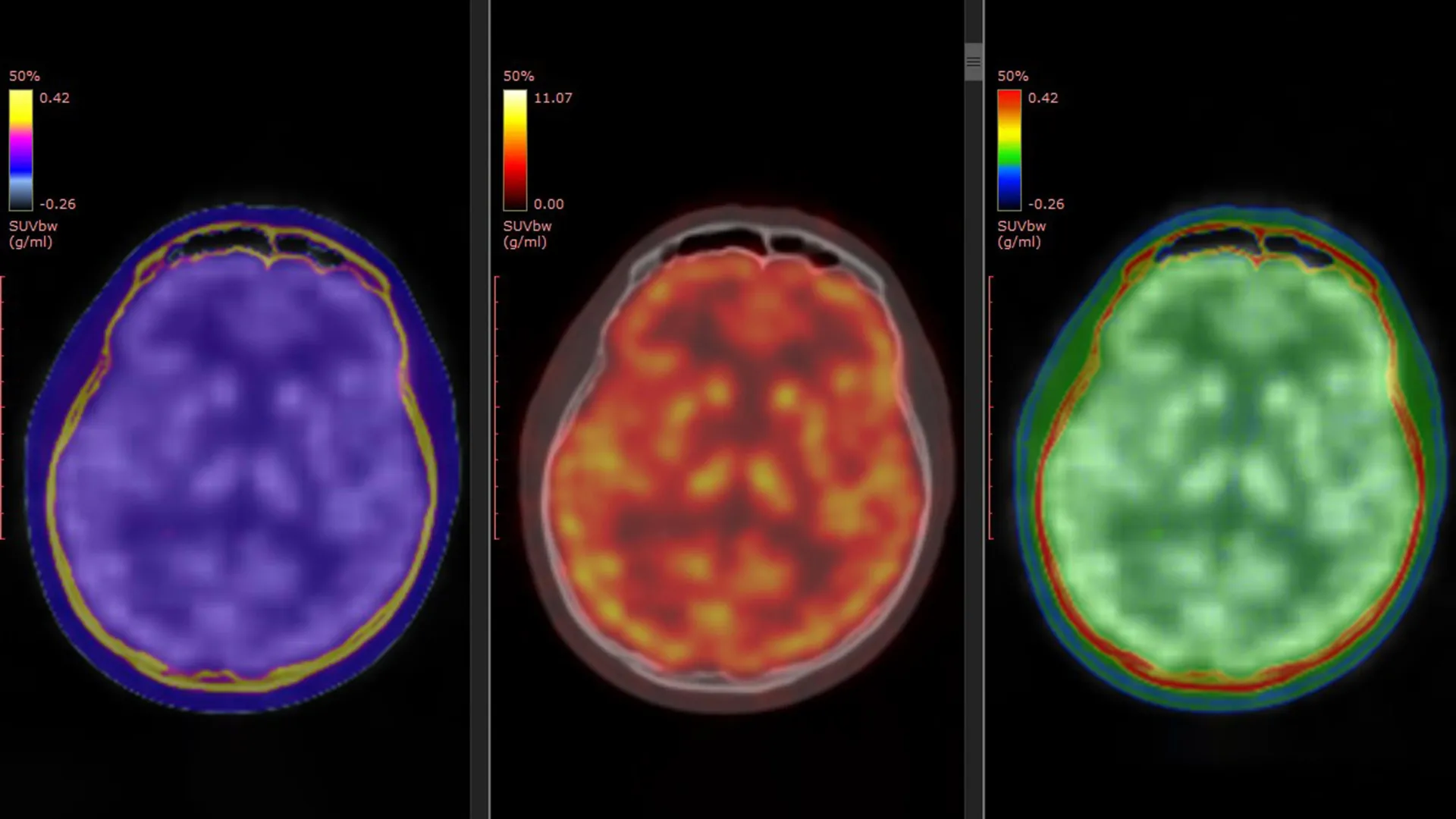
A recent study published in **Molecular Psychiatry** has utilized advanced **positron emission tomography (PET)** imaging to uncover the rapid antidepressant effects of **ketamine** in patients with **treatment-resistant depression (TRD)**. Led by **Professor Takuya Takahashi** of **Yokohama City University Graduate School of Medicine**, the research team employed a novel **PET tracer** to visualize changes in **glutamate α-amino-3-hydroxy-5-methyl-4-isoxazole propionic acid receptor (AMPAR)**, a key protein involved in **synaptic plasticity** and **glutamatergic signaling**. The study found that **ketamine** produces dynamic, region-specific adjustments in **AMPAR** levels, which are strongly connected to improvements in patients' depressive symptoms. This breakthrough has significant implications for the development of more effective treatments for **TRD**. The study's findings also highlight the potential of **PET imaging of AMPAR** as a biomarker for predicting treatment response. [[ketamine|Ketamine]] has been shown to have rapid antidepressant effects in patients with **TRD**, and this study provides valuable insights into its molecular mechanism. [[treatment-resistant-depression|Treatment-Resistant Depression]] is a major global health problem, and this research brings hope for more effective treatments. [[positron-emission-tomography|Positron Emission Tomography (PET)]] played a crucial role in this study, enabling the researchers to visualize changes in **AMPAR** levels. The study's results have significant implications for the treatment of **TRD**. The use of **ketamine** as a fast-acting antidepressant has been gaining attention in recent years, and this study provides valuable insights into its molecular mechanism. The findings also highlight the potential of **PET imaging of AMPAR** as a biomarker for predicting treatment response. This could lead to more personalized and effective treatments for patients with **TRD**. [[molecular-psychiatry|Molecular Psychiatry]] is a leading journal in the field of psychiatry, and the publication of this study is a significant milestone in the understanding of **ketamine's** rapid antidepressant effects. [[yokohama-city-university-graduate-school-of-medicine|Yokohama City University Graduate School of Medicine]] is a renowned institution, and the research team's work is a testament to the university's commitment to advancing medical knowledge.
Key Takeaways
- The study published in Molecular Psychiatry has utilized advanced positron emission tomography (PET) imaging to uncover the rapid antidepressant effects of ketamine in patients with treatment-resistant depression (TRD)
- The study found that ketamine produces dynamic, region-specific adjustments in AMPAR levels, which are strongly connected to improvements in patients' depressive symptoms
- The research team employed a novel PET tracer to visualize changes in glutamate α-amino-3-hydroxy-5-methyl-4-isoxazole propionic acid receptor (AMPAR)
- The study's findings have significant implications for the treatment of TRD, a major global health problem
- The use of ketamine as a fast-acting antidepressant has the potential to improve treatment outcomes for patients who have not responded to traditional antidepressants
Balanced Perspective
The study published in **Molecular Psychiatry** provides new insights into the molecular mechanism of **ketamine** in treating **treatment-resistant depression (TRD)**. The use of **positron emission tomography (PET)** imaging to visualize changes in **glutamate α-amino-3-hydroxy-5-methyl-4-isoxazole propionic acid receptor (AMPAR)** is a significant advancement in the field. The findings suggest that **ketamine** produces dynamic, region-specific adjustments in **AMPAR** levels, which are strongly connected to improvements in patients' depressive symptoms. However, more research is needed to fully understand the implications of these findings and to develop more effective treatments for **TRD**. **PET imaging of AMPAR** may have potential as a biomarker for predicting treatment response, but further studies are required to confirm this. [[ketamine|Ketamine]] is a complex medication, and its use as a rapid antidepressant requires careful consideration. [[treatment-resistant-depression|Treatment-Resistant Depression]] is a challenging condition to treat, and this research is an important step towards developing more effective treatments.
Optimistic View
This study is a game-changer for the treatment of **treatment-resistant depression (TRD)**. The use of **ketamine** as a fast-acting antidepressant has been gaining attention, and this research provides valuable insights into its molecular mechanism. The findings have significant implications for the development of more effective treatments for **TRD**, and the potential of **PET imaging of AMPAR** as a biomarker for predicting treatment response is a major breakthrough. **Professor Takuya Takahashi** and his team have made a significant contribution to the field of psychiatry, and their work will likely lead to improved treatment outcomes for patients with **TRD**. [[ketamine|Ketamine]] is a promising treatment option, and this study highlights its potential as a rapid antidepressant. [[treatment-resistant-depression|Treatment-Resistant Depression]] is a complex condition, and this research brings hope for more effective treatments.
Critical View
While the study published in **Molecular Psychiatry** provides some insights into the molecular mechanism of **ketamine** in treating **treatment-resistant depression (TRD)**, it is essential to approach these findings with caution. The use of **ketamine** as a fast-acting antidepressant is still a relatively new and experimental approach, and more research is needed to fully understand its effects and potential side effects. The study's findings are based on a relatively small sample size, and it is unclear whether the results can be generalized to a broader population. Additionally, the potential of **PET imaging of AMPAR** as a biomarker for predicting treatment response is still speculative and requires further investigation. **Ketamine** is a powerful medication that can have significant side effects, and its use as a rapid antidepressant requires careful consideration and monitoring. [[ketamine|Ketamine]] is not a miracle cure for **TRD**, and more research is needed to develop effective and safe treatments.
Source
Originally reported by ScienceDaily