
Contents
- 👕 Introduction to Ironing
- 💡 Choosing the Right Iron
- 🛍️ Selecting the Perfect Ironing Board
- 🧵 Understanding Fabric Types
- 🔥 Temperature Control and Steam
- 🕒 Ironing Techniques for Beginners
- 👖 Ironing Different Parts of a Shirt
- 🔩 Advanced Ironing Techniques
- 👕 Caring for Your Iron and Ironing Board
- 📊 Tips for Ironing Like a Pro
- 👍 Troubleshooting Common Ironing Issues
- 👏 Conclusion and Next Steps
- Frequently Asked Questions
- Related Topics
Overview
Ironing a shirt is an essential life skill that can make a significant difference in one's appearance and confidence. According to a survey by the National Cleaners Association, 75% of people believe that a well-ironed shirt is a key component of a professional outfit. The process involves preparing the ironing board, setting the iron to the correct temperature, and ironing the shirt in sections, starting with the collar and working down to the hem. With the right techniques and tools, anyone can achieve a crisp, wrinkle-free finish. For example, using a steam iron can reduce ironing time by up to 30%, as reported by the Good Housekeeping Institute. By following these steps and tips, individuals can master the art of ironing a shirt and take their wardrobe to the next level. As fashion designer, Ralph Lauren, once said, 'A well-ironed shirt is the foundation of a great outfit.'
👕 Introduction to Ironing
Ironing a shirt is an essential life skill that can make a significant difference in how you present yourself. Lifestyle choices, such as taking care of your clothes, can reflect your personality and attention to detail. To start ironing, you'll need a few basic supplies, including an iron, an ironing board, and a shirt to practice on. Fashion trends may come and go, but a well-ironed shirt is always in style. As you begin your ironing journey, remember that practice makes perfect, and it's essential to be patient with yourself. Self-improvement is all about taking small steps towards a larger goal, and ironing is a great place to start. With a little dedication, you can become an ironing master and take your Style to the next level.
💡 Choosing the Right Iron
Choosing the right iron can be overwhelming, especially with so many options available on the market. Home appliances have come a long way in recent years, and irons are no exception. When selecting an iron, consider factors such as temperature control, steam function, and soleplate material. Laundry experts recommend looking for an iron with a stainless steel or ceramic soleplate, as these materials are durable and easy to clean. Additionally, consider the weight and ergonomics of the iron, as you'll be holding it for extended periods. Product reviews can be a great resource when researching different irons and reading about other users' experiences.
🛍️ Selecting the Perfect Ironing Board
A good ironing board is just as important as a good iron. Household essentials like ironing boards often get overlooked, but they can make a significant difference in your ironing experience. When selecting an ironing board, consider the size, material, and features such as a built-in iron rest and cord storage. Organization is key when it comes to ironing, and a well-designed ironing board can help you stay focused and efficient. Look for a board with a sturdy frame and a heat-resistant surface, and consider investing in a ironing board cover to protect your board and make cleaning easier. Cleaning tips can be found online, but a good ironing board cover can save you time and effort in the long run.
🧵 Understanding Fabric Types
Understanding fabric types is crucial when it comes to ironing. Textiles can be delicate or durable, and it's essential to know how to handle different materials. Cotton is a popular fabric for shirts, but it can be prone to wrinkling. Polyester and Linen are also common fabrics, and each requires a different approach when ironing. Fabric care labels can provide valuable information, but it's also important to use your own judgment and experience when ironing different fabrics. Remember to always read the care label and test a small, inconspicuous area of the fabric before ironing.
🔥 Temperature Control and Steam
Temperature control and steam are two essential features to consider when ironing. Temperature control allows you to adjust the heat to suit different fabrics, while Steam can help remove wrinkles and creases. Ironing tips often recommend using steam when ironing cotton and linen, but it's essential to use caution when ironing delicate or synthetic fabrics. Laundry hacks can be found online, but it's essential to understand the basics of temperature control and steam before experimenting with different techniques.
🕒 Ironing Techniques for Beginners
Ironing techniques for beginners are all about building confidence and developing muscle memory. Ironing for beginners requires patience and practice, but with time and effort, you can become proficient in ironing a shirt. Step-by-step guides can be helpful, but it's also essential to watch videos and tutorials to get a sense of the techniques and movements involved. Practice makes perfect, and ironing is no exception. Start with simple exercises like ironing a flat piece of fabric, and gradually move on to more complex tasks like ironing a shirt.
👖 Ironing Different Parts of a Shirt
Ironing different parts of a shirt requires attention to detail and a gentle touch. Shirt ironing involves ironing the collar, cuffs, and body of the shirt, each of which requires a different approach. Collar ironing can be tricky, but it's essential to get it right to achieve a crisp, professional look. Cuff ironing is also important, as it can make or break the overall appearance of the shirt. Remember to iron the Sleeves and Body of the shirt separately, using a gentle touch and a smooth, even motion.
🔩 Advanced Ironing Techniques
Advanced ironing techniques involve using specialized tools and techniques to achieve a high-level finish. Advanced ironing requires a great deal of practice and patience, but it can be incredibly rewarding. Ironing accessories such as ironing gloves and ironing boards with built-in steam generators can be helpful, but it's also essential to develop your skills and techniques. Professional ironing involves using high-end equipment and techniques to achieve a flawless finish, but it's also important to understand the basics of ironing and fabric care.
👕 Caring for Your Iron and Ironing Board
Caring for your iron and ironing board is essential to extend their lifespan and maintain their performance. Iron maintenance involves cleaning the soleplate and descaling the iron regularly, while Ironing board maintenance involves cleaning the surface and replacing the cover as needed. Storage tips can be helpful, but it's also essential to store your iron and ironing board in a dry, cool place to prevent damage. Remember to always unplug your iron when not in use and to store it in a safe location to avoid accidents.
📊 Tips for Ironing Like a Pro
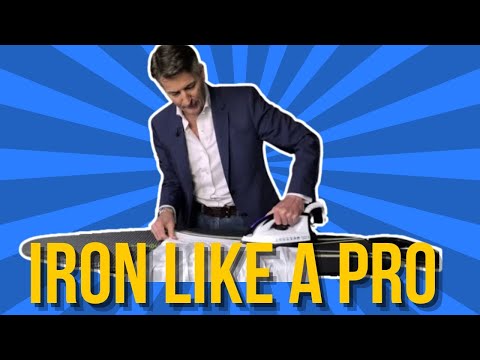
Tips for ironing like a pro involve developing your skills and techniques over time. Ironing tips and tricks can be found online, but it's also essential to practice regularly and experiment with different techniques. Time-saving tips can be helpful, but it's also important to prioritize quality over speed. Quality over quantity is essential when it comes to ironing, as a well-ironed shirt can make a significant difference in your appearance and confidence.
👍 Troubleshooting Common Ironing Issues
Troubleshooting common ironing issues is essential to avoid frustration and achieve a high-level finish. Common ironing problems include scorching, wrinkling, and ironing board damage, each of which requires a different solution. Troubleshooting tips can be found online, but it's also essential to understand the basics of ironing and fabric care. Remember to always read the care label and test a small, inconspicuous area of the fabric before ironing, and to use a gentle touch and a smooth, even motion to avoid damaging the fabric.
👏 Conclusion and Next Steps
In conclusion, ironing a shirt is an essential life skill that requires patience, practice, and attention to detail. Lifestyle skills like ironing can make a significant difference in your appearance and confidence, and it's essential to develop your skills and techniques over time. Next steps involve practicing regularly and experimenting with different techniques, as well as investing in high-quality equipment and accessories. Remember to always prioritize quality over speed and to take care of your iron and ironing board to extend their lifespan and maintain their performance.
Key Facts
- Year
- 2022
- Origin
- Vibepedia
- Category
- Lifestyle
- Type
- Tutorial
- Format
- how-to
Frequently Asked Questions
What is the best way to iron a shirt?
The best way to iron a shirt is to start with the collar and work your way down, using a gentle touch and a smooth, even motion. It's essential to read the care label and test a small, inconspicuous area of the fabric before ironing, and to use a temperature control and steam function to achieve a high-level finish. Ironing tips can be found online, but it's also essential to practice regularly and develop your skills and techniques over time.
How do I choose the right iron for my needs?
Choosing the right iron involves considering factors such as temperature control, steam function, and soleplate material. Product reviews can be a great resource when researching different irons and reading about other users' experiences. It's also essential to consider the weight and ergonomics of the iron, as you'll be holding it for extended periods. Home appliances have come a long way in recent years, and irons are no exception.
What are some common ironing mistakes to avoid?
Common ironing mistakes include scorching, wrinkling, and ironing board damage, each of which requires a different solution. Troubleshooting tips can be found online, but it's also essential to understand the basics of ironing and fabric care. Remember to always read the care label and test a small, inconspicuous area of the fabric before ironing, and to use a gentle touch and a smooth, even motion to avoid damaging the fabric.
How do I care for my iron and ironing board?
Caring for your iron and ironing board involves cleaning the soleplate and descaling the iron regularly, while also cleaning the surface and replacing the cover as needed. Storage tips can be helpful, but it's also essential to store your iron and ironing board in a dry, cool place to prevent damage. Remember to always unplug your iron when not in use and to store it in a safe location to avoid accidents.
What are some advanced ironing techniques to try?
Advanced ironing techniques involve using specialized tools and techniques to achieve a high-level finish. Ironing accessories such as ironing gloves and ironing boards with built-in steam generators can be helpful, but it's also essential to develop your skills and techniques over time. Professional ironing involves using high-end equipment and techniques to achieve a flawless finish, but it's also important to understand the basics of ironing and fabric care.
How can I iron a shirt quickly and efficiently?
Ironing a shirt quickly and efficiently involves developing your skills and techniques over time, as well as using the right equipment and accessories. Time-saving tips can be helpful, but it's also essential to prioritize quality over speed. Quality over quantity is essential when it comes to ironing, as a well-ironed shirt can make a significant difference in your appearance and confidence.
What are some common fabric types and how do I iron them?
Common fabric types include Cotton, Polyester, and Linen, each of which requires a different approach when ironing. Fabric care labels can provide valuable information, but it's also essential to use your own judgment and experience when ironing different fabrics. Remember to always read the care label and test a small, inconspicuous area of the fabric before ironing, and to use a gentle touch and a smooth, even motion to avoid damaging the fabric.