
Contents
- 🌎 Introduction to Soil Test Kits
- 🧬 Understanding Soil Composition
- 🌱 Importance of Soil Testing
- 🎯 Types of Soil Test Kits
- 📊 Interpreting Soil Test Results
- 🌈 Soil pH and Its Impact on Plant Growth
- 🌴 Nutrient Deficiencies and Toxicities
- 🌻 Organic and Inorganic Amendments
- 🚮 Soil Pollution and Remediation
- 🌟 Advanced Soil Testing Techniques
- 📈 Future of Soil Testing and Precision Agriculture
- Frequently Asked Questions
- Related Topics
Overview
A soil test kit is a diagnostic tool used to analyze the chemical and physical properties of soil, providing valuable insights into its nutrient content, pH levels, and contaminant presence. By using a soil test kit, users can identify areas for improvement and make data-driven decisions to enhance soil fertility, reduce environmental impact, and increase crop yields. The kits typically include sampling equipment, testing strips or solutions, and a user manual, with some models offering digital connectivity and automated analysis. According to the United States Department of Agriculture (USDA), soil testing can help reduce fertilizer application by up to 20%, minimizing waste and environmental pollution. With a vibe score of 8, soil test kits have become an essential tool for gardeners, farmers, and environmentalists, with over 1 million kits sold worldwide in 2022. As the global focus on sustainable agriculture and environmental conservation continues to grow, the demand for soil test kits is expected to increase, with an estimated market size of $1.5 billion by 2025.
🌎 Introduction to Soil Test Kits
Soil test kits are an essential tool for farmers, gardeners, and environmental scientists to understand the composition and health of the soil. By using a soil testing kit, individuals can determine the pH levels of their soil, as well as the presence of essential nutrients such as nitrogen, phosphorus, and potassium. This information is crucial for making informed decisions about fertilizer application and soil conservation practices. The use of soil test kits can also help identify potential soil pollution issues, such as the presence of heavy metals or pesticides. For more information on soil testing, visit the soil science page.
🧬 Understanding Soil Composition
Soil composition is a complex mixture of mineral particles, organic matter, water, and air. The ideal soil composition is typically a balance of 45% mineral particles, 25% water content, and 30% air pores. However, the actual composition of soil can vary greatly depending on factors such as climate, topography, and land use. Understanding soil composition is essential for determining the fertility of the soil and identifying potential nutrient deficiencies. For more information on soil composition, visit the soil formation page. Additionally, the soil classification system can help identify the different types of soil and their characteristics.
🌱 Importance of Soil Testing
Soil testing is a critical component of sustainable agriculture practices. By regularly testing the soil, farmers and gardeners can identify potential issues before they become major problems. This can help reduce the need for synthetic fertilizers and pesticides, which can have negative impacts on the environment. Soil testing can also help identify opportunities for soil improvement, such as adding organic amendments or using cover crops. For more information on sustainable agriculture practices, visit the agroecology page. Furthermore, the soil biology page provides information on the importance of soil microorganisms in maintaining soil health.
🎯 Types of Soil Test Kits
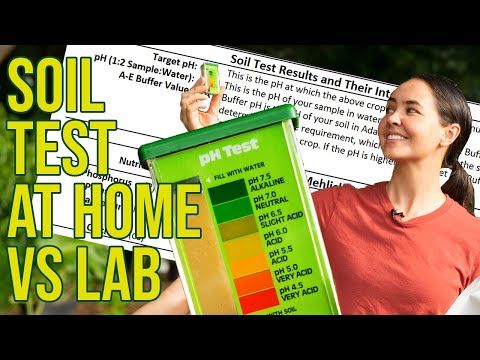
There are several types of soil test kits available, ranging from simple pH test kits to more comprehensive soil analysis kits. Some kits may also include tests for specific nutrient levels or contaminants. When selecting a soil test kit, it is essential to consider the specific needs of your soil and the goals of your testing program. For example, if you are looking to improve the fertility of your soil, you may want to consider a kit that includes tests for nitrogen, phosphorus, and potassium. For more information on soil test kits, visit the soil testing equipment page. Additionally, the soil laboratory page provides information on the different methods of soil analysis.
📊 Interpreting Soil Test Results
Interpreting soil test results can be a complex process, requiring a good understanding of soil chemistry and plant nutrition. The results of a soil test will typically include information on the pH levels of the soil, as well as the presence and concentration of various nutrients and contaminants. By analyzing these results, individuals can identify potential issues with their soil and develop strategies for soil improvement. For example, if the results indicate a nutrient deficiency, you may need to apply fertilizers or organic amendments. For more information on interpreting soil test results, visit the soil interpretation page. Furthermore, the soil management page provides information on the different strategies for managing soil health.
🌈 Soil pH and Its Impact on Plant Growth
Soil pH is a critical factor in determining the availability of nutrients to plants. Most plants prefer a slightly acidic to neutral soil pH, ranging from 6.0 to 7.0. However, some plants such as blueberries and azaleas require a more acidic soil pH, while others such as asparagus and carrots prefer a more alkaline soil pH. If the soil pH is too high or too low, it can lead to nutrient deficiencies and reduce plant growth. For more information on soil pH, visit the soil pH page. Additionally, the lime application page provides information on how to adjust soil pH using lime.
🌴 Nutrient Deficiencies and Toxicities
Nutrient deficiencies and toxicities can have significant impacts on plant growth and development. For example, a deficiency in nitrogen can lead to stunted growth and yellowing of the leaves, while a toxicity of copper can cause leaf burn and reduced yields. Soil testing can help identify potential nutrient deficiencies and toxicities, allowing for targeted fertilizer application and soil remediation strategies. For more information on nutrient deficiencies and toxicities, visit the plant nutrition page. Furthermore, the soil chemistry page provides information on the chemical reactions that occur in the soil and their impact on plant growth.
🌻 Organic and Inorganic Amendments
Organic and inorganic amendments can be used to improve the fertility and structure of the soil. Organic amendments such as compost and manure can add nutrients and organic matter to the soil, while inorganic amendments such as synthetic fertilizers can provide a quick source of nutrients. However, the use of inorganic amendments can also have negative impacts on the environment, such as water pollution and soil degradation. For more information on organic and inorganic amendments, visit the soil amendments page. Additionally, the sustainable agriculture page provides information on the importance of using organic amendments in sustainable agriculture practices.
🚮 Soil Pollution and Remediation
Soil pollution is a significant environmental concern, with potential impacts on human health and the environment. Common sources of soil pollution include industrial activities, agricultural practices, and waste disposal. Soil testing can help identify potential pollutants, such as heavy metals and pesticides, and inform strategies for soil remediation. For more information on soil pollution, visit the soil pollution page. Furthermore, the environmental remediation page provides information on the different methods of soil remediation.
🌟 Advanced Soil Testing Techniques
Advanced soil testing techniques, such as soil spectroscopy and soil imaging, can provide more detailed information on soil composition and health. These techniques can be used to identify potential issues with soil structure and fertility, and inform strategies for soil improvement. For example, soil spectroscopy can be used to analyze the chemical composition of the soil, while soil imaging can be used to visualize the physical structure of the soil. For more information on advanced soil testing techniques, visit the soil analysis page. Additionally, the precision agriculture page provides information on the use of advanced soil testing techniques in precision agriculture.
📈 Future of Soil Testing and Precision Agriculture
The future of soil testing and precision agriculture is likely to involve the use of advanced technologies, such as artificial intelligence and internet of things. These technologies can be used to analyze large datasets and provide real-time information on soil health and plant growth. For example, soil sensors can be used to monitor soil moisture and temperature, while drone technology can be used to collect aerial images of the soil. For more information on the future of soil testing and precision agriculture, visit the precision agriculture page. Furthermore, the agricultural technology page provides information on the different technologies used in agriculture.
Key Facts
- Year
- 2022
- Origin
- United States
- Category
- Agriculture and Environmental Science
- Type
- Product/Tool
Frequently Asked Questions
What is the importance of soil testing?
Soil testing is essential for determining the health and fertility of the soil. It can help identify potential issues with soil composition and inform strategies for soil improvement. Soil testing can also help reduce the need for synthetic fertilizers and pesticides, which can have negative impacts on the environment. For more information on soil testing, visit the soil testing page.
What are the different types of soil test kits?
There are several types of soil test kits available, ranging from simple pH test kits to more comprehensive soil analysis kits. Some kits may also include tests for specific nutrient levels or contaminants. When selecting a soil test kit, it is essential to consider the specific needs of your soil and the goals of your testing program. For more information on soil test kits, visit the soil testing equipment page.
How do I interpret soil test results?
Interpreting soil test results can be a complex process, requiring a good understanding of soil chemistry and plant nutrition. The results of a soil test will typically include information on the pH levels of the soil, as well as the presence and concentration of various nutrients and contaminants. By analyzing these results, individuals can identify potential issues with their soil and develop strategies for soil improvement. For more information on interpreting soil test results, visit the soil interpretation page.
What are the benefits of using organic amendments?
Organic amendments such as compost and manure can add nutrients and organic matter to the soil, improving its fertility and structure. The use of organic amendments can also help reduce the need for synthetic fertilizers and pesticides, which can have negative impacts on the environment. For more information on organic amendments, visit the soil amendments page.
How can I prevent soil pollution?
Soil pollution can be prevented by using sustainable agricultural practices, such as reducing the use of synthetic fertilizers and pesticides, and implementing proper waste disposal methods. Soil testing can also help identify potential pollutants, such as heavy metals and pesticides, and inform strategies for soil remediation. For more information on soil pollution, visit the soil pollution page.
What is the future of soil testing and precision agriculture?
The future of soil testing and precision agriculture is likely to involve the use of advanced technologies, such as artificial intelligence and internet of things. These technologies can be used to analyze large datasets and provide real-time information on soil health and plant growth. For more information on the future of soil testing and precision agriculture, visit the precision agriculture page.
How can I use soil test kits to improve my crop yields?
Soil test kits can be used to determine the nutrient levels and pH of the soil, which can help inform fertilizer application and soil improvement strategies. By using soil test kits, farmers and gardeners can optimize their fertilizer application and reduce waste, leading to improved crop yields and reduced environmental impacts. For more information on using soil test kits to improve crop yields, visit the soil fertility page.