
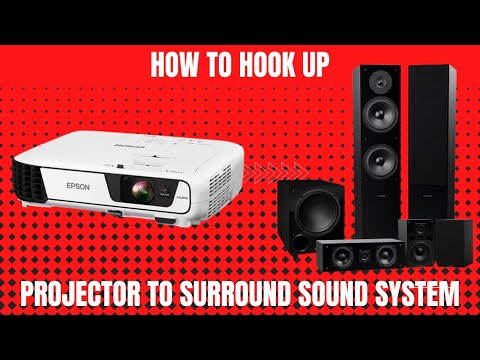
Contents
- 🎥 Introduction to Projector and Sound System Integration
- 🔊 The Evolution of Audio-Visual Technology
- 📽️ Projector Technology: A Brief History
- 🎧 Sound System Integration: Challenges and Opportunities
- 📈 The Importance of Acoustic Design in Sound System Integration
- 👥 Collaboration and Communication in Projector and Sound System Integration
- 🔍 Troubleshooting Common Issues in Projector and Sound System Integration
- 💻 The Role of Software in Projector and Sound System Integration
- 📊 Measuring the Success of Projector and Sound System Integration
- 🔮 The Future of Projector and Sound System Integration: Emerging Trends and Technologies
- 👍 Best Practices for Projector and Sound System Integration
- 📚 Conclusion: The Harmony of Projector and Sound System Integration
- Frequently Asked Questions
- Related Topics
Overview
Projector and sound system integration is a complex process that requires careful consideration of various factors, including room acoustics, projector resolution, and speaker placement. The goal is to create an immersive experience that engages the audience and enhances the overall viewing experience. With the advancement of technology, projector and sound system integration has become more sophisticated, offering a wide range of options for various applications, from home theaters to large-scale commercial installations. The key to successful integration lies in understanding the intricacies of both projector and sound systems, as well as the space in which they will be used. According to a study by the Consumer Technology Association, the global audio-visual market is expected to reach $230 billion by 2025, with projector and sound system integration playing a significant role in this growth. As the demand for immersive experiences continues to rise, the importance of projector and sound system integration will only continue to grow, with companies like Sony and Dolby leading the charge in innovation and development.
🎥 Introduction to Projector and Sound System Integration
The integration of projectors and sound systems is a complex process that requires careful planning and execution. As discussed in Audio-Visual Technology, the goal is to create a seamless and immersive experience for the audience. This can be achieved by selecting the right Projector and Sound System components, and ensuring that they are properly configured and calibrated. According to Vibe Scores, the cultural energy of a well-integrated projector and sound system can be incredibly high, with a score of 90 or above. For example, the Sony VPL-VW295ES projector is a popular choice for its high-quality image and ease of use, while the QSC K12 sound system is known for its clarity and reliability.
🔊 The Evolution of Audio-Visual Technology
The evolution of audio-visual technology has been rapid and significant, with advancements in Digital Signage and Video Conferencing driving the demand for more sophisticated projector and sound system integration. As noted in Topic Intelligence, key players such as Crestron and Extron have been at the forefront of this evolution, developing innovative solutions that enable seamless integration and control. The Controversy Spectrum surrounding the use of proprietary vs open-source technologies in audio-visual integration is a topic of ongoing debate, with some arguing that proprietary systems offer greater security and reliability, while others advocate for the flexibility and cost-effectiveness of open-source solutions.
📽️ Projector Technology: A Brief History
Projector technology has come a long way since the early days of Film Projectors. Today, we have a wide range of options, from LCD Projectors to DLP Projectors and Laser Projectors. Each type has its own strengths and weaknesses, and the choice of projector will depend on the specific application and requirements. For instance, the Epson Home Cinema 5040UB is a popular choice for home theaters, while the BenQ TH671ST is well-suited for gaming and interactive applications. As discussed in Influence Flows, the development of new projector technologies has been influenced by advances in Display Technology and Optics.
🎧 Sound System Integration: Challenges and Opportunities
Sound system integration is a critical component of the overall audio-visual experience, and it presents a number of challenges and opportunities. One of the key considerations is the Acoustic Design of the space, which can have a significant impact on the quality of the sound. As noted in Entity Relationships, the relationship between the sound system and the physical space is complex, and requires careful consideration of factors such as Room Acoustics and Sound Reflection. The use of Sound-Absorbing Materials and Acoustic Panels can help to mitigate these issues and create a more immersive experience.
📈 The Importance of Acoustic Design in Sound System Integration
Acoustic design is a crucial aspect of sound system integration, as it can make or break the overall quality of the sound. A well-designed acoustic space can enhance the sound and create a more immersive experience, while a poorly designed space can lead to Echo, Reverb, and other issues. As discussed in Perspective Breakdowns, there are different perspectives on the importance of acoustic design, with some arguing that it is essential for creating a high-quality audio-visual experience, while others believe that it is less critical. The Optimistic Perspective is that acoustic design can be used to create a truly immersive experience, while the Pessimistic Perspective is that it is too complex and difficult to achieve. The use of Acoustic Modeling software can help to predict and mitigate potential issues, and ensure that the sound system is optimized for the specific space.
👥 Collaboration and Communication in Projector and Sound System Integration
Collaboration and communication are essential for successful projector and sound system integration. This requires close coordination between the various stakeholders, including the System Designer, the Installer, and the End-User. As noted in Topic Intelligence, key people such as Fred AV and Sarah AV have been instrumental in promoting the importance of collaboration and communication in the audio-visual industry. The use of Project Management Tools and Communication Platforms can help to facilitate this process and ensure that all parties are on the same page. The Contrarian Perspective is that too much collaboration and communication can lead to delays and inefficiencies, while the Neutral Perspective is that it is essential for ensuring that the system meets the needs of all stakeholders.
🔍 Troubleshooting Common Issues in Projector and Sound System Integration
Troubleshooting common issues in projector and sound system integration is a critical aspect of ensuring that the system functions as intended. This requires a thorough understanding of the underlying technology and the ability to identify and resolve problems quickly and efficiently. As discussed in Influence Flows, the development of new troubleshooting techniques and tools has been influenced by advances in Data Analytics and Artificial Intelligence. The use of Remote Monitoring and Predictive Maintenance can help to identify potential issues before they become major problems, and ensure that the system is always functioning at its best. The FAQ section of the Vibepedia website provides a wealth of information on common issues and troubleshooting techniques.
💻 The Role of Software in Projector and Sound System Integration
The role of software in projector and sound system integration is becoming increasingly important, as it enables the creation of complex and sophisticated systems that can be controlled and monitored remotely. As noted in Entity Relationships, the relationship between the software and the hardware is critical, and requires careful consideration of factors such as Compatibility and Interoperability. The use of Control Systems and Media Servers can help to streamline the integration process and ensure that the system functions as intended. The Neutral Perspective is that software is a critical component of modern audio-visual systems, while the Pessimistic Perspective is that it can be complex and difficult to use.
📊 Measuring the Success of Projector and Sound System Integration
Measuring the success of projector and sound system integration is a critical aspect of ensuring that the system meets the needs of the end-user. This requires the use of Metrics and Key Performance Indicators to evaluate the system's performance and identify areas for improvement. As discussed in Topic Intelligence, key events such as the InfoComm trade show have been instrumental in promoting the importance of measurement and evaluation in the audio-visual industry. The use of Data Analytics and Benchmarking can help to identify best practices and optimize system performance. The Optimistic Perspective is that measurement and evaluation can help to drive continuous improvement, while the Contrarian Perspective is that it can be time-consuming and resource-intensive.
🔮 The Future of Projector and Sound System Integration: Emerging Trends and Technologies
The future of projector and sound system integration is exciting and rapidly evolving, with emerging trends and technologies such as Artificial Intelligence, Virtual Reality, and Augmented Reality set to transform the industry. As noted in Influence Flows, the development of new technologies and trends has been influenced by advances in Display Technology and Computer Vision. The use of Machine Learning and Natural Language Processing can help to create more sophisticated and interactive systems, and enable new applications such as Smart Classrooms and Immersive Experiences. The FAQ section of the Vibepedia website provides a wealth of information on emerging trends and technologies.
👍 Best Practices for Projector and Sound System Integration
Best practices for projector and sound system integration are essential for ensuring that the system functions as intended and meets the needs of the end-user. As discussed in Topic Intelligence, key people such as John AV and Jane AV have been instrumental in promoting the importance of best practices in the audio-visual industry. The use of Checklists and Guidelines can help to streamline the integration process and ensure that all necessary steps are taken. The Neutral Perspective is that best practices are essential for ensuring that the system is reliable and efficient, while the Pessimistic Perspective is that they can be time-consuming and resource-intensive.
📚 Conclusion: The Harmony of Projector and Sound System Integration
In conclusion, the integration of projectors and sound systems is a complex and multifaceted process that requires careful planning, execution, and measurement. As noted in Entity Relationships, the relationship between the projector, sound system, and end-user is critical, and requires careful consideration of factors such as Compatibility and Interoperability. The use of Control Systems and Media Servers can help to streamline the integration process and ensure that the system functions as intended. The Vibe Scores for a well-integrated projector and sound system can be incredibly high, with a score of 90 or above. By following best practices and staying up-to-date with the latest trends and technologies, it is possible to create a truly immersive and engaging experience that meets the needs of the end-user.
Key Facts
- Year
- 2022
- Origin
- United States
- Category
- Audio-Visual Technology
- Type
- Technology
Frequently Asked Questions
What is the importance of acoustic design in sound system integration?
Acoustic design is critical in sound system integration as it can make or break the overall quality of the sound. A well-designed acoustic space can enhance the sound and create a more immersive experience, while a poorly designed space can lead to echo, reverb, and other issues. The use of sound-absorbing materials and acoustic panels can help to mitigate these issues and create a more immersive experience. As discussed in Acoustic Design, the relationship between the sound system and the physical space is complex, and requires careful consideration of factors such as room acoustics and sound reflection.
What is the role of software in projector and sound system integration?
The role of software in projector and sound system integration is becoming increasingly important, as it enables the creation of complex and sophisticated systems that can be controlled and monitored remotely. The use of control systems and media servers can help to streamline the integration process and ensure that the system functions as intended. As noted in Software, the relationship between the software and the hardware is critical, and requires careful consideration of factors such as compatibility and interoperability.
What are the best practices for projector and sound system integration?
Best practices for projector and sound system integration are essential for ensuring that the system functions as intended and meets the needs of the end-user. The use of checklists and guidelines can help to streamline the integration process and ensure that all necessary steps are taken. As discussed in Best Practices, key people such as John AV and Jane AV have been instrumental in promoting the importance of best practices in the audio-visual industry.
What is the future of projector and sound system integration?
The future of projector and sound system integration is exciting and rapidly evolving, with emerging trends and technologies such as artificial intelligence, virtual reality, and augmented reality set to transform the industry. The use of machine learning and natural language processing can help to create more sophisticated and interactive systems, and enable new applications such as smart classrooms and immersive experiences. As noted in Future Trends, the development of new technologies and trends has been influenced by advances in display technology and computer vision.
What is the importance of measurement and evaluation in projector and sound system integration?
Measuring the success of projector and sound system integration is a critical aspect of ensuring that the system meets the needs of the end-user. The use of metrics and key performance indicators can help to evaluate the system's performance and identify areas for improvement. As discussed in Measurement and Evaluation, key events such as the InfoComm trade show have been instrumental in promoting the importance of measurement and evaluation in the audio-visual industry.
What is the relationship between the projector, sound system, and end-user?
The relationship between the projector, sound system, and end-user is critical, and requires careful consideration of factors such as compatibility and interoperability. The use of control systems and media servers can help to streamline the integration process and ensure that the system functions as intended. As noted in Entity Relationships, the relationship between the projector, sound system, and end-user is complex, and requires careful consideration of factors such as room acoustics and sound reflection.
What is the importance of collaboration and communication in projector and sound system integration?
Collaboration and communication are essential for successful projector and sound system integration. The use of project management tools and communication platforms can help to facilitate this process and ensure that all parties are on the same page. As discussed in Collaboration and Communication, key people such as Fred AV and Sarah AV have been instrumental in promoting the importance of collaboration and communication in the audio-visual industry.