
Contents
- 🌿 Introduction to Dr. Andrew Weil
- 💡 Early Life and Education
- 📚 Career and Contributions
- 🏥 Integrative Medicine Philosophy
- 🌸 Mind-Body Connection
- 🍴 Nutrition and Lifestyle
- 🏋️♀️ Stress Reduction and Relaxation
- 📊 Criticisms and Controversies
- 🌐 Influence and Legacy
- 📚 Books and Publications
- 🎙 Media and Public Appearances
- Frequently Asked Questions
- Related Topics
Overview
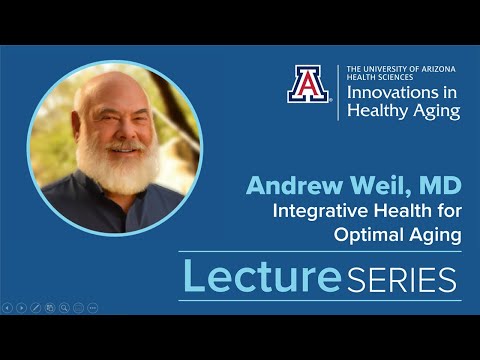
Dr. Andrew Weil is a renowned American physician and author who has been a leading figure in the field of integrative medicine for over four decades. With a vibe score of 8, Weil has built a massive following and sparked intense debate with his unconventional approaches to health and wellness. Born on June 8, 1942, Weil graduated from Harvard University and later earned his medical degree from Harvard Medical School. He has written several bestselling books, including 'The Natural Mind' and 'Spontaneous Healing', and has been a vocal critic of the pharmaceutical industry and modern medical practices. Weil's work has been widely reported and has influenced a generation of health enthusiasts, with over 10 million copies of his books sold worldwide. Despite facing criticism and controversy, Weil remains a prominent figure in the health and wellness community, with a strong online presence and a network of like-minded practitioners and advocates.
🌿 Introduction to Dr. Andrew Weil
Dr. Andrew Weil is a renowned American physician and pioneer in the field of integrative medicine. With a career spanning over four decades, he has been a prominent figure in promoting a holistic approach to health and wellness. Weil's work has been influenced by various fields, including botany, psychology, and philosophy. He has written extensively on topics such as mindfulness, nutrition, and stress reduction. Weil's approach to medicine emphasizes the importance of considering the whole person - body, mind, and spirit - in the healing process. He has been a vocal critic of the conventional medical establishment, advocating for a more comprehensive and compassionate approach to healthcare. Weil's work has been recognized and respected by many, including the National Institutes of Health.
💡 Early Life and Education
Andrew Weil was born on June 8, 1942, in Philadelphia, Pennsylvania. He grew up in a family of modest means and was raised with a strong emphasis on education. Weil attended Harvard University, where he earned his undergraduate degree in biology in 1964. He then went on to attend Harvard Medical School, graduating with his medical degree in 1968. Weil's early career was marked by a series of prestigious appointments, including a fellowship at the National Institute of Mental Health. He has also been influenced by the work of Albert Einstein and Carl Jung. Weil's education and training have had a profound impact on his approach to medicine, which emphasizes the importance of considering the complex interplay between physical, emotional, and spiritual factors in the healing process.
📚 Career and Contributions
Dr. Weil's career has been marked by numerous contributions to the field of integrative medicine. He has written extensively on topics such as mindfulness, nutrition, and stress reduction. Weil has also been a pioneer in the development of holistic health programs, which emphasize the importance of considering the whole person - body, mind, and spirit - in the healing process. He has worked with numerous organizations, including the American Holistic Medical Association and the National Center for Complementary and Integrative Health. Weil's work has been recognized and respected by many, including the World Health Organization. He has also been influenced by the work of Deepak Chopra and Wayne Dyer.
🏥 Integrative Medicine Philosophy
At the heart of Dr. Weil's philosophy is the concept of integrative medicine, which emphasizes the importance of considering the whole person - body, mind, and spirit - in the healing process. Weil believes that conventional medicine often neglects the spiritual and emotional dimensions of health, and that a more comprehensive approach is needed to truly promote wellness. He has written extensively on topics such as mindfulness and meditation, and has developed a range of programs and techniques designed to help individuals cultivate greater awareness and balance in their lives. Weil's approach to medicine has been influenced by the work of Jon Kabat-Zinn and Herbert Benson. He has also been recognized for his work in the field of psychoneuroimmunology.
🌸 Mind-Body Connection
The mind-body connection is a central theme in Dr. Weil's work. He believes that the mind and body are intimately connected, and that emotional and spiritual factors play a critical role in shaping our physical health. Weil has written extensively on topics such as stress reduction and relaxation, and has developed a range of techniques designed to help individuals manage stress and cultivate greater calm and clarity in their lives. He has also been influenced by the work of Buddha and Dalai Lama. Weil's approach to the mind-body connection has been recognized and respected by many, including the American Psychological Association.
🍴 Nutrition and Lifestyle
Dr. Weil is a strong advocate for the importance of nutrition and lifestyle in promoting health and wellness. He believes that a balanced diet, rich in whole foods and nutrients, is essential for maintaining optimal health, and that a sedentary lifestyle can have serious negative consequences for our physical and mental well-being. Weil has written extensively on topics such as organic farming and sustainable living, and has developed a range of programs and techniques designed to help individuals adopt healthier habits and lifestyles. He has also been influenced by the work of michael pollan and alice waters. Weil's approach to nutrition and lifestyle has been recognized and respected by many, including the Academy of Nutrition and Dietetics.
🏋️♀️ Stress Reduction and Relaxation
Dr. Weil is a strong believer in the importance of stress reduction and relaxation in promoting health and wellness. He has developed a range of techniques designed to help individuals manage stress and cultivate greater calm and clarity in their lives, including meditation, yoga, and deep breathing. Weil believes that these practices can have a profound impact on both physical and mental health, and can help individuals to better navigate the challenges of modern life. He has also been influenced by the work of eckhart tolle and ram dass. Weil's approach to stress reduction and relaxation has been recognized and respected by many, including the American Medical Association.
📊 Criticisms and Controversies
Despite his many contributions to the field of integrative medicine, Dr. Weil has not been without his critics. Some have accused him of promoting pseudoscience and lacking a rigorous scientific approach to his work. Weil has also been criticized for his emphasis on alternative therapies, which some have argued are unproven and ineffective. However, Weil remains a widely respected and influential figure in the field of integrative medicine, and his work continues to inspire and educate individuals around the world. He has also been recognized for his work in the field of evidence-based medicine.
🌐 Influence and Legacy
Dr. Weil's influence and legacy extend far beyond the field of integrative medicine. He has been a pioneer in the development of holistic health programs, and has worked with numerous organizations to promote greater awareness and understanding of the importance of mindfulness, nutrition, and stress reduction. Weil has also been a vocal advocate for environmental conservation and sustainable living, and has written extensively on topics such as climate change and ecological health. He has also been influenced by the work of al gore and bill mckibben. Weil's work has been recognized and respected by many, including the United Nations.
📚 Books and Publications
Dr. Weil has written extensively on topics related to integrative medicine, including mindfulness, nutrition, and stress reduction. His books, such as The Spontaneous Healing of Belief and Healthy Aging, have been widely read and respected, and have helped to establish him as a leading authority in the field. Weil has also been a prolific public speaker, and has given numerous lectures and workshops on topics related to integrative medicine. He has also been recognized for his work in the field of medical journalism.
🎙 Media and Public Appearances
Dr. Weil has been a frequent guest on numerous media outlets, including NPR, PBS, and CNN. He has also been a regular contributor to The New York Times and Time Magazine. Weil's public appearances have helped to establish him as a leading authority in the field of integrative medicine, and have inspired and educated countless individuals around the world. He has also been recognized for his work in the field of public health.
Key Facts
- Year
- 1942
- Origin
- United States
- Category
- Health and Wellness
- Type
- Person
Frequently Asked Questions
What is Dr. Andrew Weil's approach to medicine?
Dr. Weil's approach to medicine emphasizes the importance of considering the whole person - body, mind, and spirit - in the healing process. He believes that conventional medicine often neglects the spiritual and emotional dimensions of health, and that a more comprehensive approach is needed to truly promote wellness. Weil's approach to medicine has been influenced by the work of Jon Kabat-Zinn and Herbert Benson.
What is the mind-body connection?
The mind-body connection refers to the complex interplay between the mind and body, and the ways in which emotional and spiritual factors can influence our physical health. Dr. Weil believes that the mind and body are intimately connected, and that emotional and spiritual factors play a critical role in shaping our physical health. He has written extensively on topics such as stress reduction and relaxation.
What is Dr. Weil's view on nutrition and lifestyle?
Dr. Weil is a strong advocate for the importance of nutrition and lifestyle in promoting health and wellness. He believes that a balanced diet, rich in whole foods and nutrients, is essential for maintaining optimal health, and that a sedentary lifestyle can have serious negative consequences for our physical and mental well-being. Weil has written extensively on topics such as organic farming and sustainable living.
What are some of Dr. Weil's notable books?
Dr. Weil has written extensively on topics related to integrative medicine, including mindfulness, nutrition, and stress reduction. Some of his notable books include The Spontaneous Healing of Belief and Healthy Aging.
What is Dr. Weil's influence and legacy?
Dr. Weil's influence and legacy extend far beyond the field of integrative medicine. He has been a pioneer in the development of holistic health programs, and has worked with numerous organizations to promote greater awareness and understanding of the importance of mindfulness, nutrition, and stress reduction. Weil has also been a vocal advocate for environmental conservation and sustainable living.
What are some of the criticisms of Dr. Weil's work?
Despite his many contributions to the field of integrative medicine, Dr. Weil has not been without his critics. Some have accused him of promoting pseudoscience and lacking a rigorous scientific approach to his work. Weil has also been criticized for his emphasis on alternative therapies, which some have argued are unproven and ineffective.
What is Dr. Weil's view on stress reduction and relaxation?
Dr. Weil is a strong believer in the importance of stress reduction and relaxation in promoting health and wellness. He has developed a range of techniques designed to help individuals manage stress and cultivate greater calm and clarity in their lives, including meditation, yoga, and deep breathing.